


Protecting Nature: Leave No Trace Hiking

Step lightly, feel deeply, and help protect every trail we love. This edition is dedicated to Protecting Nature: Leave No Trace Hiking—practical choices, heartfelt stories, and a community promise to keep wild places truly wild. Join us, share your commitment, and invite a friend to do the same.

Leave No Trace: The Heart of Hiking with Integrity

Leave No Trace is more than rules; it is a mindset. From planning routes to managing waste and respecting others, each principle helps hikers reduce their footprint while deepening their connection with the land they travel through.

Micro‑Planning Reduces Macro‑Impact

Check regulations, permits, and group size limits. Choose less crowded trails, shoulder seasons, and start early to avoid congestion. Planning meals carefully reduces packaging waste and helps you pack out everything without leaving microtrash behind.

Weather, Maps, and Exit Strategies

Sudden storms cause trail shortcuts and muddied detours. Carry maps, layers, and realistic turnaround times. Knowing when to retreat protects you, preserves trails, and prevents rescue operations that can strain fragile environments and human resources alike.

Invite Accountability Before You Depart

Share your Leave No Trace goals with your group. Assign roles for navigation, waste management, and safety. Encouraging one another before the first step makes responsible choices normal. Comment with your favorite pre‑hike checklist so others can borrow it.

Travel and Camp on Durable Surfaces

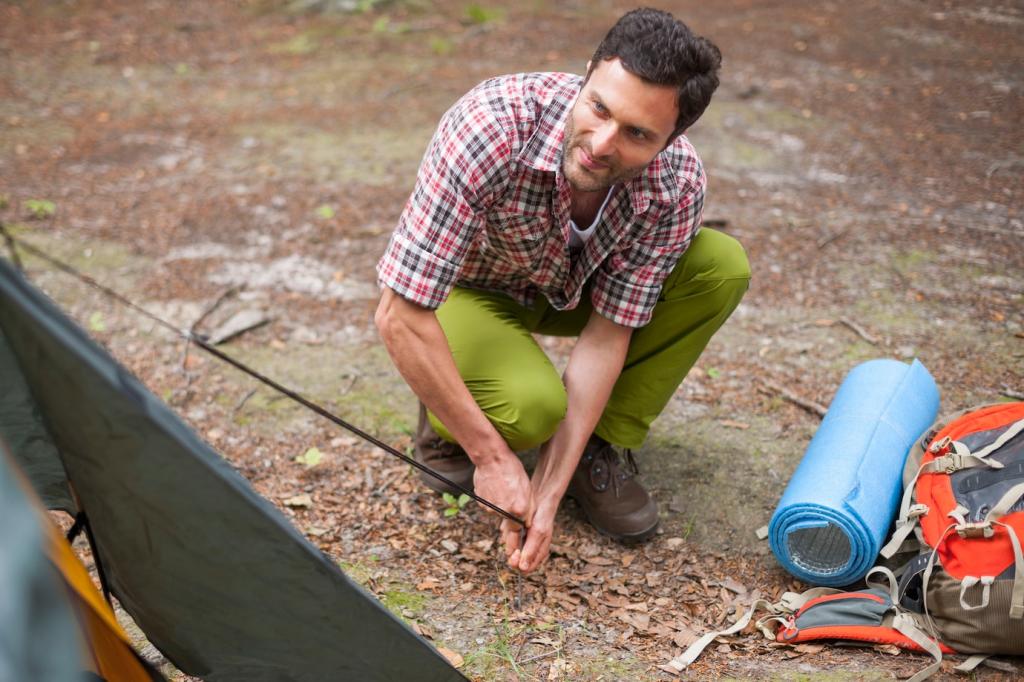
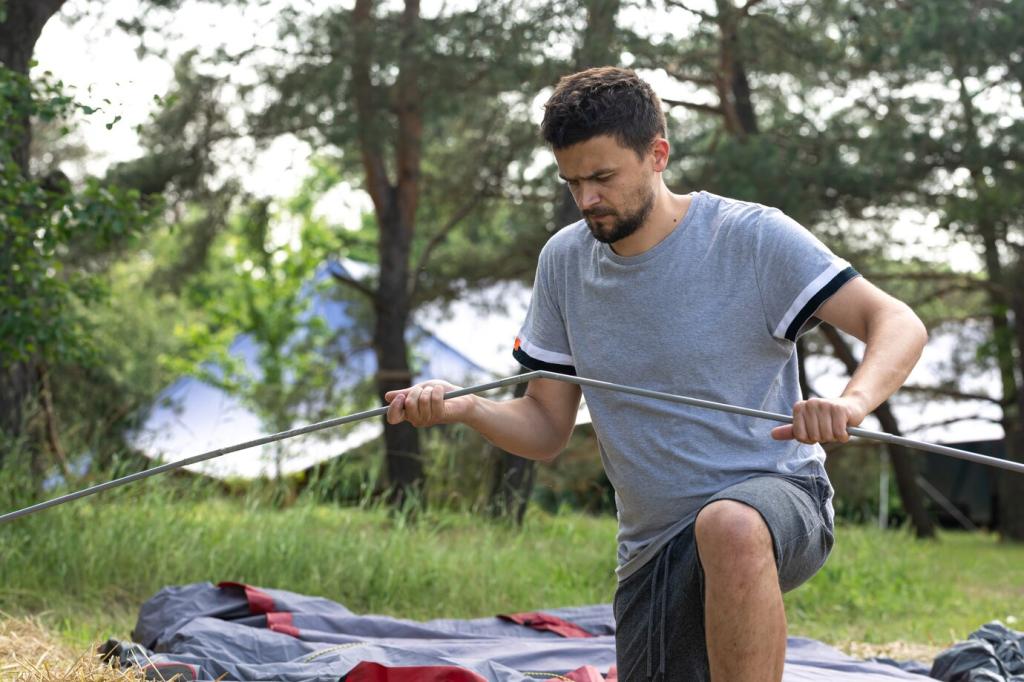
Durable surfaces like rock, gravel, sand, and dry grass resist impact. Avoid damp soil, cryptobiotic crusts, and meadow vegetation. If a camp exists, use it; creating new sites widens the affected area and invites others to follow the scar.

Travel and Camp on Durable Surfaces

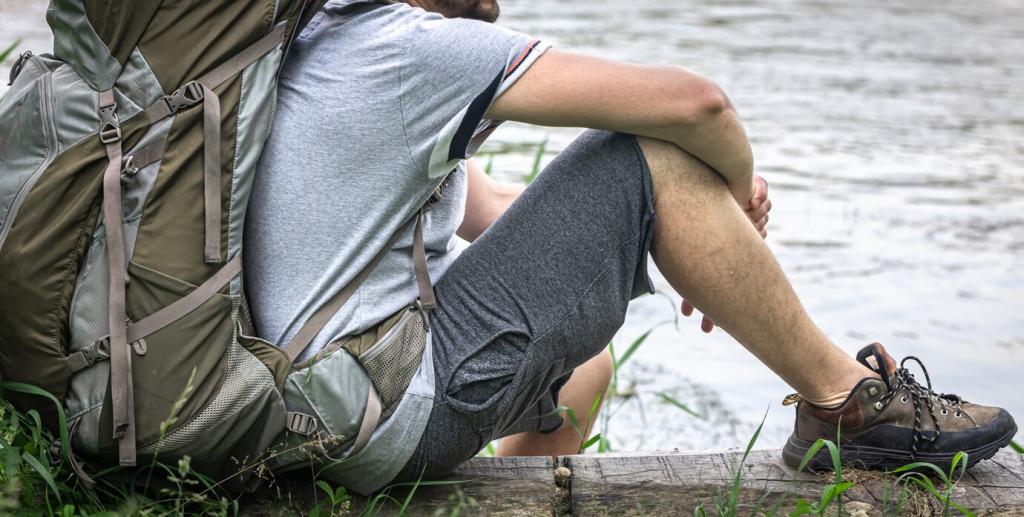
Camp at least 200 feet, about 70 meters, from lakes and streams. Shorelines are nurseries for plants and wildlife. Giving water room to breathe keeps banks stable and lets animals drink, feed, and travel without stress from human presence.

Travel and Camp on Durable Surfaces

Widened trails start with one person dodging a puddle. Walk single file through mud to prevent braiding and erosion. Share this tip with new hikers, and tag us with a story about choosing the messy step that saved the hillside.

Leave What You Find: Let Wild Stay Wild

Wildflowers, antlers, and colorful stones belong to the places that shaped them. A photo preserves memory without removing beauty from an ecosystem. Start a tradition: snap a picture, geotag responsibly, and write why you chose to leave it behind.

Minimize Campfire Impacts: Warmth with Wisdom

A tiny stove brews sunrise coffee without charring soil or consuming deadwood. The simplicity is liberating: fast, clean, and safer in dry seasons. Share your favorite low‑impact hot drink routine that turned a chilly dawn into a memorable moment.

Minimize Campfire Impacts: Warmth with Wisdom

Use established fire rings only where fires are permitted. In sensitive zones, carry a fire pan and burn small sticks that break by hand. Drown, stir, and feel for cold. Pack out foil, wire, and the last whisper of microtrash.

Moniravolaxononex
Privacy Overview

This website uses cookies so that we can provide you with the best user experience possible. Cookie information is stored in your browser and performs functions such as recognising you when you return to our website and helping our team to understand which sections of the website you find most interesting and useful.