Essential Gear for Spring Mountain Hikes

Today’s chosen theme: Essential Gear for Spring Mountain Hikes. Spring in the mountains is equal parts promise and surprise—snow patches under sunlit ridgelines, muddy switchbacks after thaw, winds that change like a mood. Use this friendly, field-tested guide to pack smart, hike safer, and savor every mile. Share your must-have spring item in the comments and subscribe for fresh seasonal checklists.

Layering That Outsmarts Spring’s Mood Swings

Choose a breathable, quick-drying base layer that moves moisture away from your skin, because spring climbs often combine cool air with bursts of exertion. Merino or high-quality synthetics keep you warm when you pause and comfortable when you push.

Layering That Outsmarts Spring’s Mood Swings

Carry a light fleece or active-insulation jacket that warms without turning you into a sauna on steep grades. A zip-neck or full-zip makes venting simple when the sun appears, and it doubles as cozy insurance during trail breaks.
Boots vs. Trail Runners

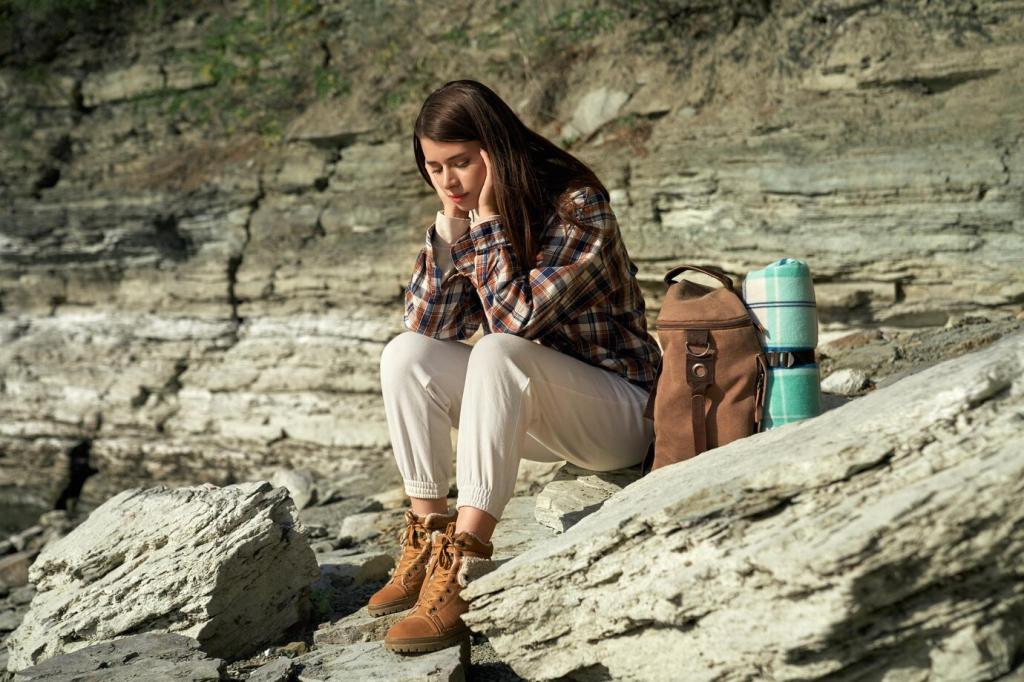
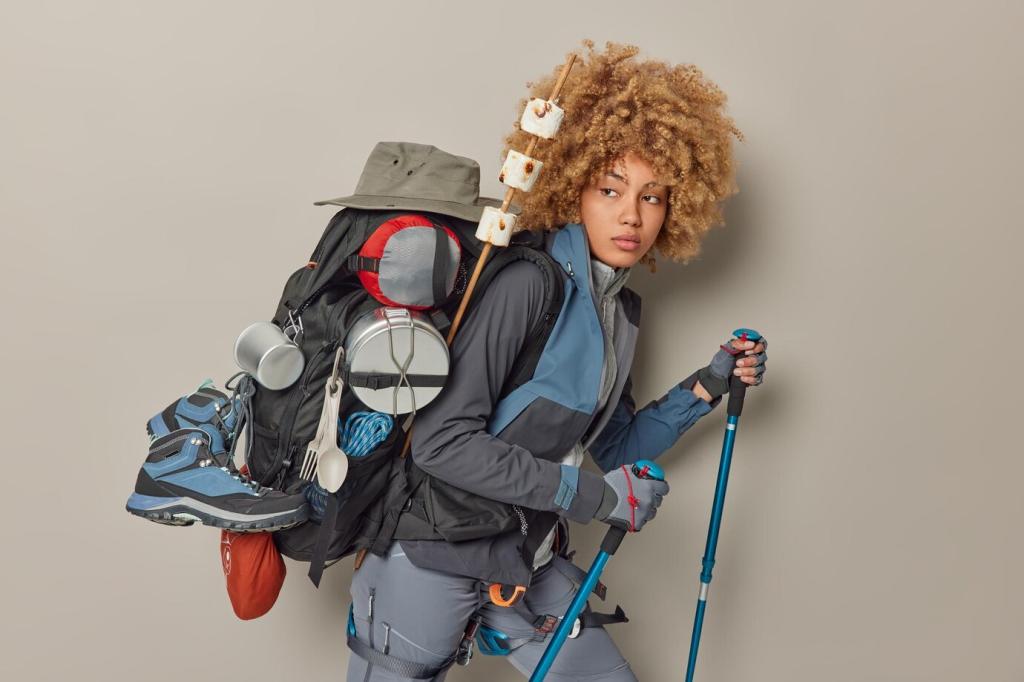
Waterproof boots offer ankle support and keep slush out, while trail runners dry faster and feel nimble on long days. Consider your pack weight, terrain, and tolerance for cold water before choosing—and remember that fit beats every other feature.

Socks and Gaiters That Matter

Merino socks manage moisture and reduce blisters when conditions shift from wet to dry repeatedly. Pair them with lightweight, waterproof gaiters to block mud, grit, and meltwater from sneaking in during creek hops and sloppy switchbacks.

Traction Add-Ons

Compact microspikes live in many spring packs, snapping over shoes for shaded ice or crusty mornings. They weigh little, offer huge confidence on steep patches, and come off fast when the trail turns back to forgiving dirt.

Navigation and Safety When Trails Keep Changing

Updated Maps and Offline Tools

Download offline maps and carry a paper topo with a compass for redundancy. Spring blowdowns and seasonal closures may alter routes, so confirm conditions with recent trip reports and ranger updates before committing to an itinerary.

Compact Emergency Kit

Pack a small first-aid kit, emergency bivy, fire starter, and headlamp with fresh batteries. Cool, wet weather accelerates heat loss, and an unexpected delay after sunset feels longer in spring’s fickle winds and fast-dropping temperatures.

Communication That Reaches

Cell service fades fast in mountain valleys. A lightweight satellite messenger or PLB adds a safety net for solo hikers or shoulder-season routes with fewer people. Share your check-in plan with someone who will notice if you’re late.

Hydration and Fuel That Work in Cool, Variable Weather

Snowmelt can carry sediment and microbes like Giardia. Use a filter rated to 0.1–0.2 microns, and bring chemical backup for insurance. Pre-filter silty water with a bandana to extend your filter’s life and keep flow rates friendly.

Hydration and Fuel That Work in Cool, Variable Weather

Choose snacks that won’t turn rock-hard in the cold—soft chews, nut butters, tortillas, and dried fruit. Eat small amounts every 45–60 minutes to maintain steady energy instead of chasing bonks with one massive lunch stop.

Sun, Wind, and Rain: Protect What Protects You

UV exposure increases roughly 10% per 1,000 meters of elevation, and snow reflects glare powerfully. Use broad-spectrum SPF 30+ and glacier-capable sunglasses if snow lingers. Reapply sunscreen on breaks, especially nose, cheeks, and ears.

Sun, Wind, and Rain: Protect What Protects You

A wind-resistant cap or brimmed hat pairs with a light beanie in your pack. Thin, dexterous gloves help with poles and zippers while blocking gusts. Together, they smooth the edges of spring’s temperature swings.

Sun, Wind, and Rain: Protect What Protects You

A simple pack cover helps in sudden showers, but a rugged trash-compactor bag as an internal liner is your last line of defense. Keep insulation and spare socks dry, and you keep morale high when the sky experiments.

Smart Packs and Packing Strategy for Spring Chaos

For day hikes, 20–30 liters usually fits layers, traction, and extras. Choose supportive hip belts and easy-access side pockets for water. A slightly larger pack beats cramming gear that you’ll avoid using when weather turns.
Poles stabilize creek crossings, help test snow bridges, and save knees on thaw-softened descents. Adjustable models let you shorten for climbs and lengthen for downhills, keeping you balanced when conditions shift every few switchbacks.
Warm snaps can wake early mosquitoes at lower elevations. A tiny bottle of repellent or a head net weighs little and spares you incessant swatting during trail breaks where puddles and sun-warmed brush make surprise hatch zones.
Spring days stretch, but clouds and route-finding slow progress. A lightweight headlamp with spare batteries keeps you safe if you linger for a sunset or detour around snow. It’s the quiet hero of many good decisions.
Moniravolaxononex
Privacy Overview

This website uses cookies so that we can provide you with the best user experience possible. Cookie information is stored in your browser and performs functions such as recognising you when you return to our website and helping our team to understand which sections of the website you find most interesting and useful.