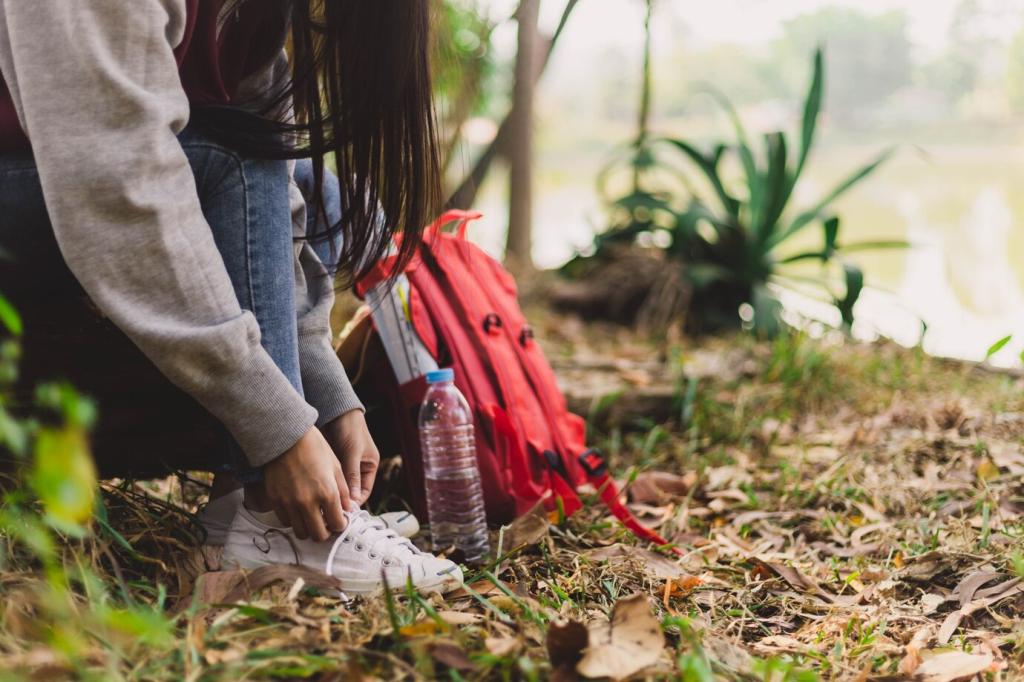
Chosen theme: Must-Have Items for High-Altitude Hikes. Ready to climb above the tree line? Here’s a practical, trail-tested guide that blends gear wisdom with real stories, so you can pack smart, move safely, and savor every breathtaking ridge. Share your essentials and subscribe for more altitude-ready insights.
Layering That Works When the Air Gets Thin
Start next-to-skin with merino or high-quality synthetics that pull sweat away and dry fast. Cotton chills when you stop, especially in summit winds. I once began at dawn shivering, then sweated under midday sun; a breathable base saved me from clammy, bone-deep cold during rest breaks.
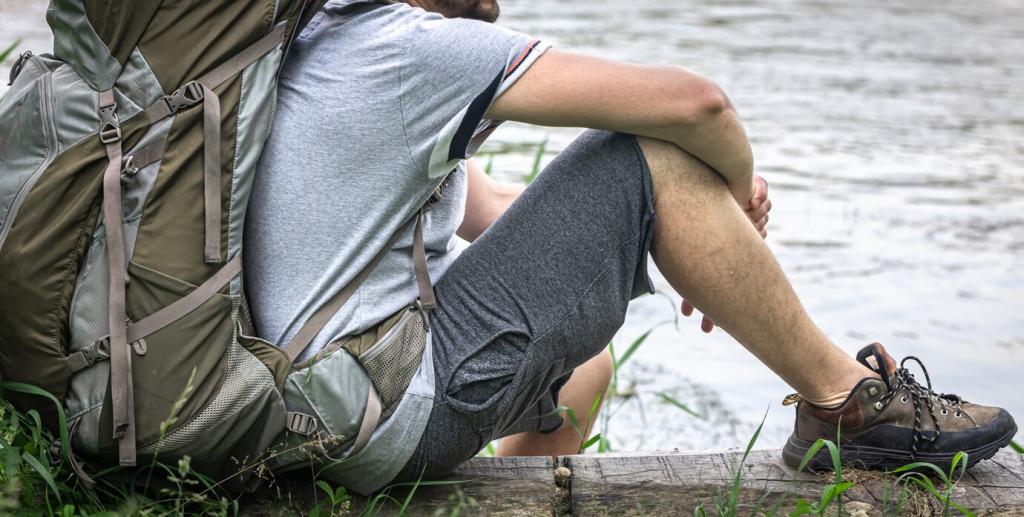
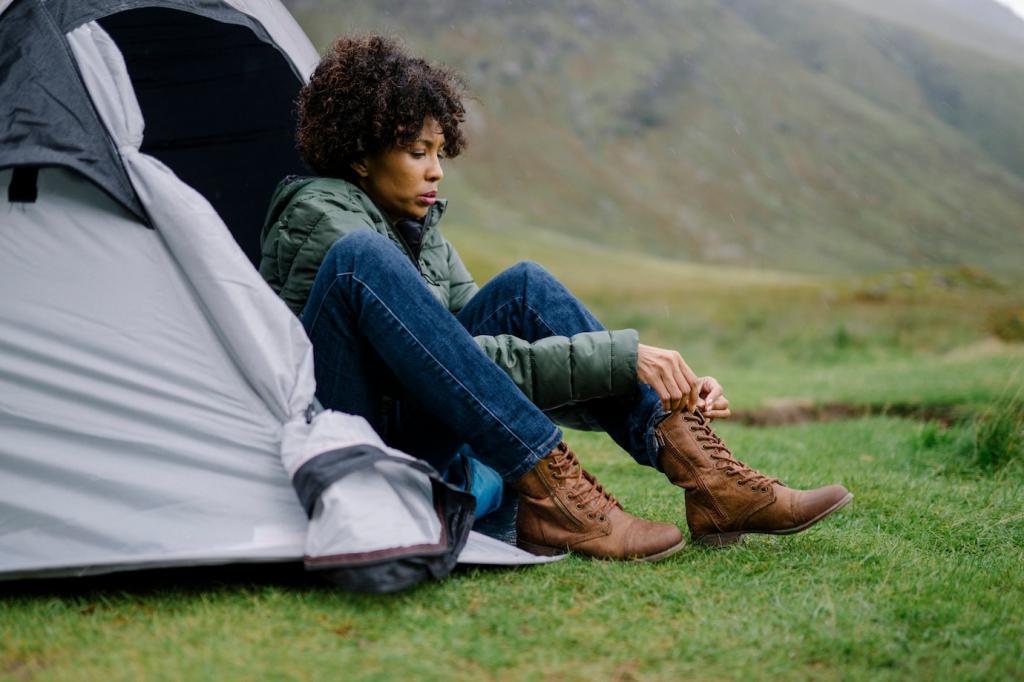
Choose boots with sturdy ankle support, grippy soles, and enough toe room for swelling. Consider crampon compatibility if snowfields remain. At 5,000 meters in the Andes, a rigid sole spared my feet from bruising on relentless rock. Break them in early and carry blister prevention from day one.
Hydration bladders can freeze at altitude. A wide-mouth bottle in an insulated sleeve endures better, especially stashed upside down so the lid doesn’t ice first. A thermos with hot tea or broth is morale in a mug; it warmed my spirits on a windblown ridge when lunch felt impossible.
Carry redundancy: a squeeze filter, chlorine dioxide drops, or a UV wand. Glacial flour can clog filters; chemical treatment is a reliable fallback. If snowmelt is your only source, a tiny stove can melt snow safely. Always verify sources and share your favorite methods in the comments.
Paper maps never run out of battery. Combine them with a compass and altimeter to confirm position along contour lines when visibility dips. Practice bearings before the trip. On a whiteout saddle, those tools turned confusion into confidence. Drop your best map-folding tips to prevent wind-induced chaos.
Download offline maps and stash your phone on airplane mode close to your body; cold drains batteries fast. A lightweight power bank in an insulated pouch and a durable cable are trip-savers. Label cords, test apps, and set waypoints at key junctions before you leave the trailhead.
Cell coverage is fickle above ridgelines. A satellite messenger or PLB enables SOS and check-ins. On one delayed descent, quick preset messages eased families’ worries and conserved battery. Register your device, update contacts, and run a test ping a week before departure to confirm everything works.
Apply broad-spectrum SPF 50+ every two hours, and don’t forget ears, under the chin, and the backs of hands. A high-SPF lip balm prevents cracking in dry air. Zinc-based formulas hold up better to sweat. Pack a tiny mirror to catch missed spots when the sun bounces off snowfields.
02
Glacier Glasses or Goggles
Category 4 lenses and side shields block fierce brightness and lateral glare. Snow blindness can derail an expedition overnight. I carry goggles for spindrift and blasting ridge winds; they saved me during a surprise graupel squall. Secure a keeper strap so your eyewear never disappears mid-gust.
03
Windproof Gloves, Warm Hat, and Buff
Use a modular glove system: liners for dexterity, insulated gloves for warmth, and shells to stop wind. A snug beanie and a versatile buff protect heat-robbing zones. After one windburned day, I never skip a face covering. What glove combos work best for you at altitude?
Emergency and Nightfall Readiness
Alpine starts and unplanned late exits demand a bright, reliable headlamp. Lithium batteries tolerate cold better; stash spares close to your body. A red-light mode preserves night vision during group checks. I once navigated icy talus after sunset—visibility made the difference between haste and careful, safe steps.