



Winter Hiking: Staying Safe and Warm

Chosen theme: Winter Hiking: Staying Safe and Warm. Step onto snowy trails with confidence as we share practical strategies, field-tested stories, and friendly advice to keep your body warm, your footing secure, and your spirit joyful all season. Join the conversation and help our community learn together.

Mastering Layering Without Overheating

Base Layers: Dry Skin, Happy Miles

Choose a snug, breathable base layer in merino or synthetic to pull sweat off your skin and prevent chilling. Avoid cotton, manage zippers proactively, and swap tops if soaked on long days. Share your favorite base layer combo in the comments so newcomers can learn from your experience.

Insulation That Works When You Stop

Pack a lofted midlayer and a toasty belay jacket for snack breaks and summits, keeping them accessible near the top of your pack. Synthetic insulation shines in damp snow while down excels in dry cold. On a windy ridge last January, a quick jacket change kept our group smiling and safe.

Shells and Venting: Fight Wind, Not Sweat

A windproof or waterproof-breathable shell blocks gusts and spindrift, but vent early with pit zips and front zippers to avoid sweat buildup. Remove or add layers before you feel drastic changes. What venting tricks help you stay warm without soaking your layers? Tell us and subscribe for more cold-weather tips.

Feet, Hands, and Head: Heat-Saving Priorities

Insulated, waterproof boots with room to wiggle toes help prevent numbness and blisters. Pair thin liner socks with medium wool socks to manage moisture, and consider vapor barriers for very cold days. Warm feet transform morale; tell us which boot and sock duo has carried you through icy switchbacks.

Traction and Travel: From Ice to Drifted Snow

Microspikes excel on packed, icy trails; crampons bite into steep, hard ice; snowshoes float over deep or crusted powder. Match tools to terrain and switch before conditions demand it. Test your gear at the trailhead, and tell us which traction saved you from a sketchy patch this season.

Traction and Travel: From Ice to Drifted Snow

Adjustable poles with winter baskets improve rhythm, reduce slips, and protect knees during long descents. Shorten for climbs, lengthen for downhills, and keep straps loose for quick releases near obstacles. Share your favorite pole techniques for creek crossings and side-hilling on wind-polished snow benches.

Planning Around Cold, Wind, and Short Days

Study hourly forecasts, wind speeds, gusts, and wind chill to predict how conditions will feel on ridges. Set a firm turnaround time and respect it. Turning back is a smart move, not a failure. What weather thresholds trigger your no-go decision on midwinter hiking days?

Hydration, Food, and Furnace Fuel

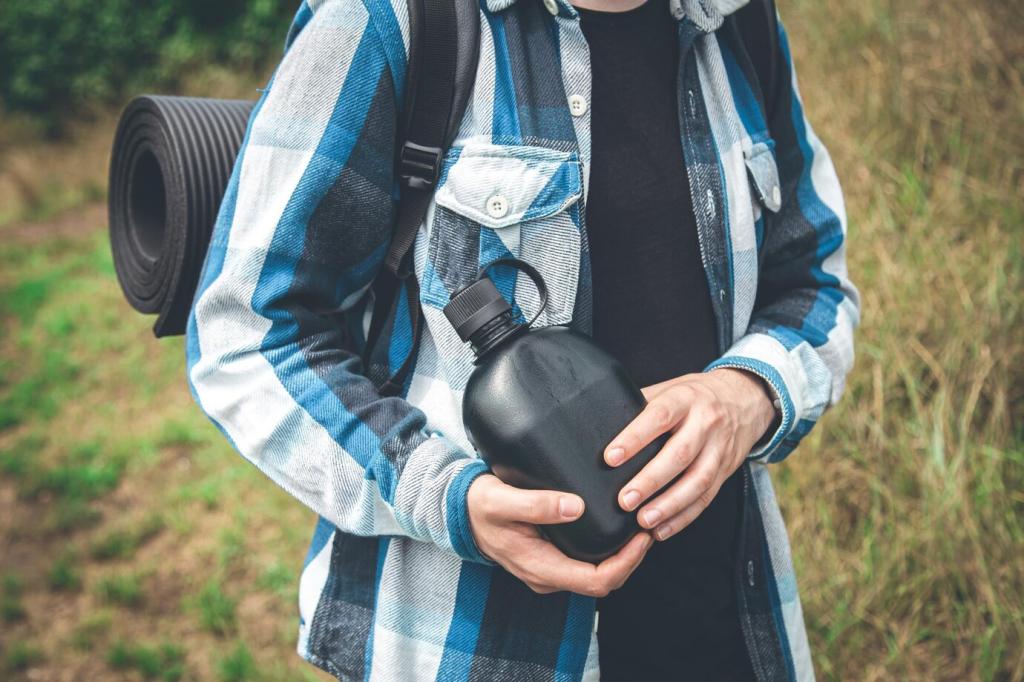
Dehydration creeps up quickly in cold, dry air. Use insulated bottles, stash them upside down to prevent frozen lids, and bring warm tea or broth. Bladder hoses can freeze solid; a simple bottle often wins. What warm drink keeps you moving when the thermometer bottoms out?

Hydration, Food, and Furnace Fuel

Choose calorie-dense snacks that stay chewable in the cold: nut butters, soft chews, brownies, and savory wraps. Keep snacks in jacket pockets to warm them and eat small amounts often. Share your favorite winter trail recipe so readers can upgrade their cold-weather snack kit.
Moniravolaxononex
Privacy Overview

This website uses cookies so that we can provide you with the best user experience possible. Cookie information is stored in your browser and performs functions such as recognising you when you return to our website and helping our team to understand which sections of the website you find most interesting and useful.